
inshot ios
Mobile Video Mastery with InShot on iOS
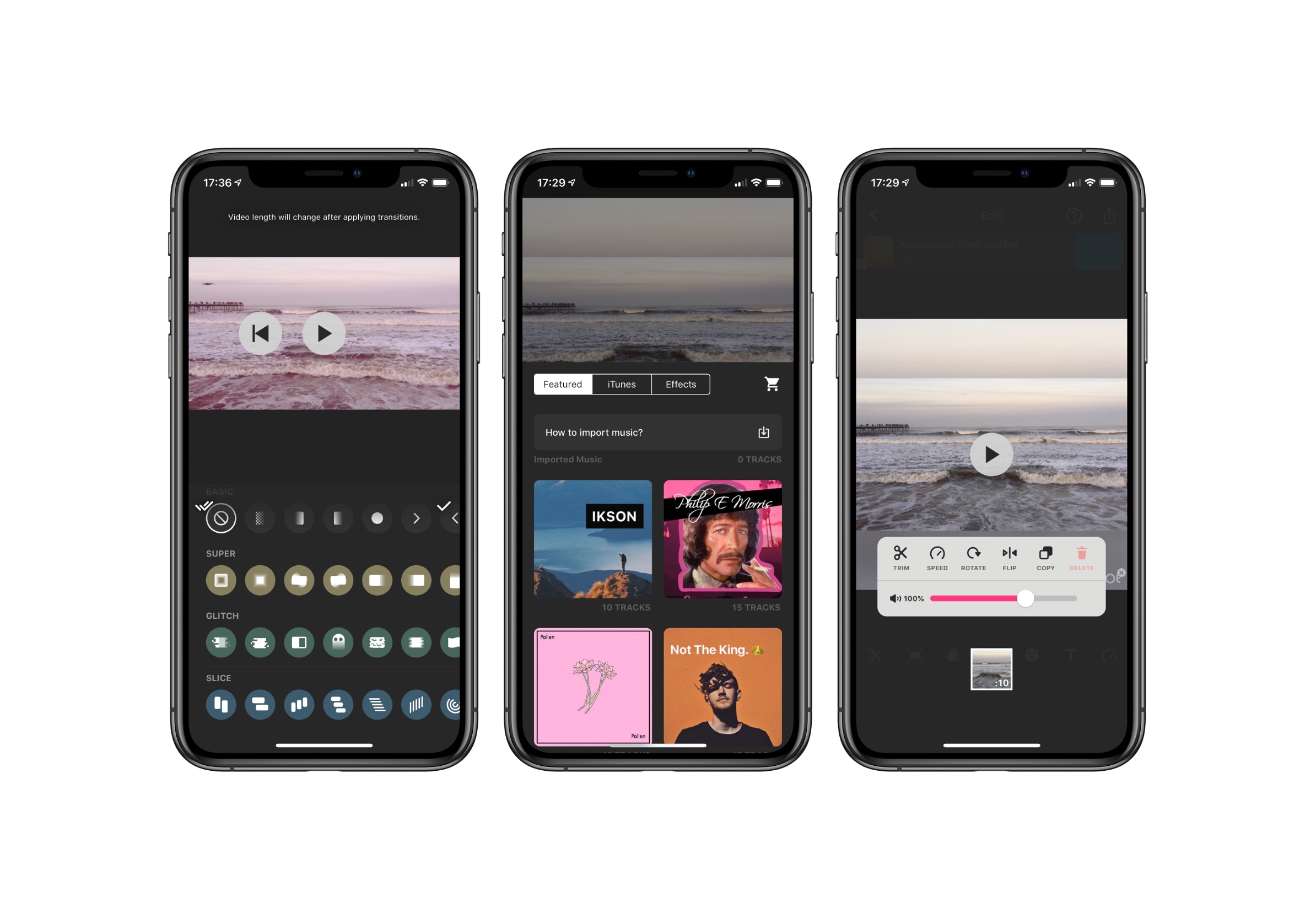
The boundary between smartphone cameras and cinema-grade equipment has virtually vanished. With modern iPhones shooting in 4K Dolby Vision, ProRes, and cinematic shallow depth-of-field, the real competitive edge lies in post-production efficiency. To translate that computational photography into striking video content, creators need an editor that harnesses Apple hardware natively without thermal throttling or complex rendering pipelines.
Harnessing Apple Silicon for Lightning-Fast Renders
The unified memory architecture of modern A-series and M-series chips provides extraordinary bandwidth for real-time video decoding. Running a lightweight, highly optimized timeline unlocks seamless playback even when dealing with dense, multi-layer video tracks.
Key Hardware Advantages on Apple Devices
- Metal Engine Acceleration: Graphic transitions, motion blur, and visual filters render directly through the GPU for stutter-free timeline scrub.
- Native HEVC/H.265 Encoding: High-efficiency hardware compression ensures smaller exported file sizes while preserving razor-sharp bitrates.
- ProMotion 120Hz Touch Responsiveness: High refresh rates translate into surgical accuracy when trimming clip boundaries and dragging keyframes.
Workflow Synergy Across the iOS Ecosystem
Editing on an Apple device is about fluid handoffs and frictionless file access. To explore platform-specific features, gesture shortcuts, and setup details for your mobile device, review the dedicated guide to InShot for iPhone and iPad to maximize your daily editing speed.
Recommended Configuration for Serious Creators
- HDR Tone-Mapping Management: Ensure high-dynamic-range clips are calibrated properly so highlights do not blow out when viewed on SDR social media feeds.
- iCloud Drive and AirDrop Integration: Directly pull high-resolution B-roll, background music stems, and transparent brand assets from shared folders without third-party converters.
- Locking Target Frame Rates: Configure exports to 60 fps to match native display standards and ensure fluid on-screen animations.
Precision Color Grading on Super Retina Displays
The OLED screens on recent iPhones offer color accuracy that rivals dedicated studio monitors. Leveraging this fidelity within the editing suite allows for precise manual adjustments rather than relying on heavy, destructive presets.
1. Highlight Recovery and Shadow Lifting
Harsh daylight footage often results in crushed blacks or overexposed skies. Manually pulling down highlights and raising shadows in the adjustment panel restores subtle textures in skin tones and clothing.
2. White Balance Correction
Smartphone cameras frequently overcompensate under mixed indoor lighting. Adjusting temperature and tint sliders neutralizes unwanted yellow or green casts, giving interviews a clean, broadcast-ready appearance.
3. Preserving Crisp Motion in Slow-Motion Shots
When incorporating 120fps or 240fps clips, pairing speed adjustments with subtle curve smoothing avoids the choppy frame interpolation that plagues less refined editors.
Elevating Your Mobile Filmmaking Standard
High-end video production is no longer tethered to a traditional editing desk. By combining Apple's cutting-edge camera sensors with the intuitive power and speed of InShot, you can capture, refine, and distribute world-class content straight from your pocket wherever creativity strikes.